Kimtech
- Email : info@kimtech.co.tz
- Call : +255 753 513 125
Commercial Kitchen Solutions : Arusha, Tanzania · serving hotels across East Africa

About Kimtech
We help hotels, resorts and hospitality developers design, equip and optimise commercial kitchens that deliver exceptional food, faster service and long-term value.
How to Plan a Commercial Kitchen for a 5-Star Hotel
Kitchen planning
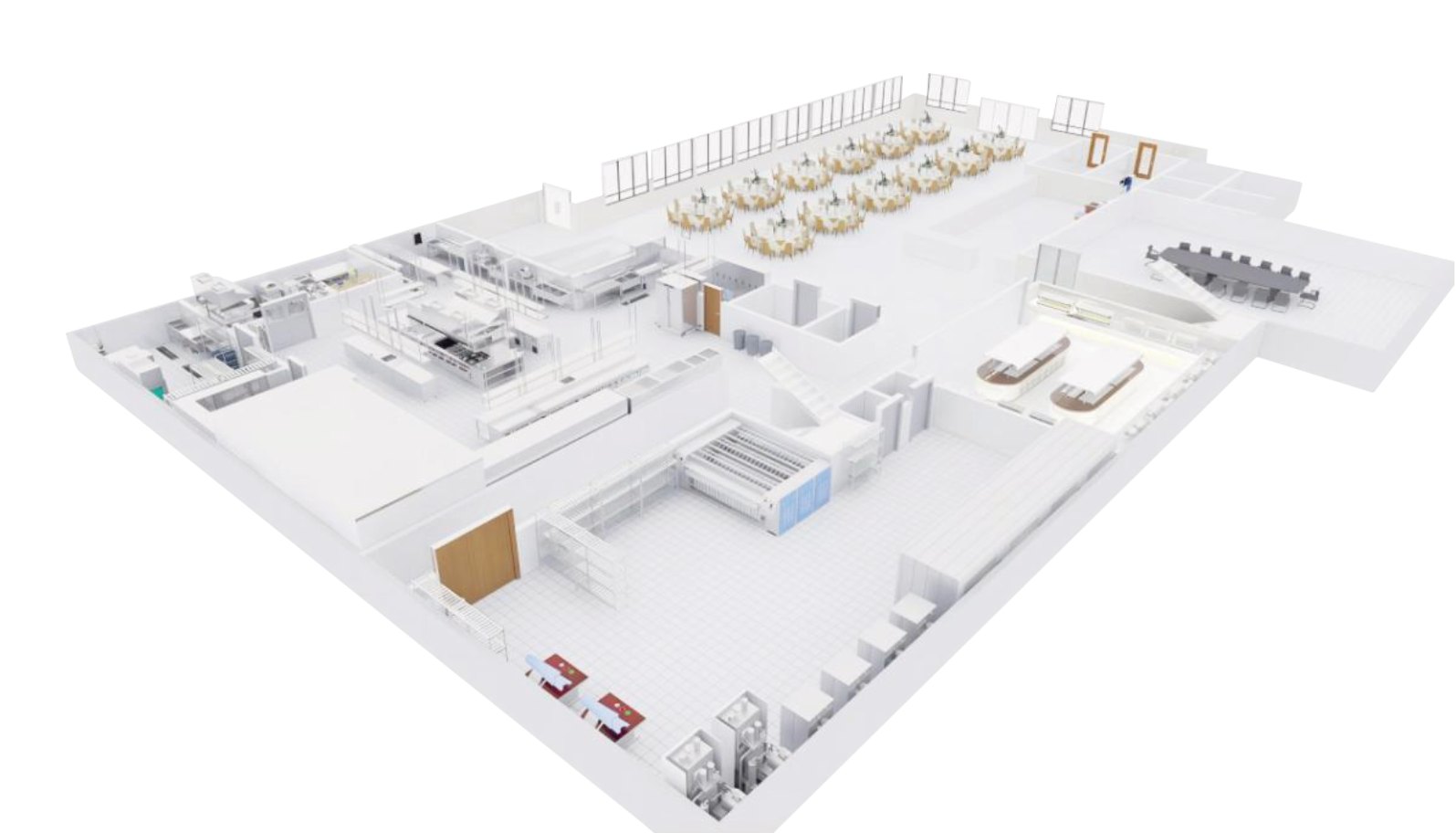
A 5-star hotel rarely has one kitchen. It has a production network — main kitchen, restaurant kitchens, banquet production, pastry, butchery, room service and staff canteen — that must work together under pressure. Good planning starts with the operation, not with an equipment list.
1. Define the operation first
List every outlet and its service style, opening hours and expected covers. Breakfast buffets, all-day dining, fine dining, banquets and room service each place different demands on cooking, holding, refrigeration and washing capacity.
2. Map the flow of food
Plan a one-way flow from receiving and storage to preparation, cooking, plating and service, with a separate dirty-to-clean route for returned serviceware. Crossed routes cause congestion and hygiene risks that are expensive to fix after construction.
3. Size equipment to real volumes
- Cooking capacity for the busiest service, not the average one.
- Cold storage for actual delivery frequency and stock levels, separated by food type.
- Dishwashing capacity matched to covers and banquet turnover.
4. Coordinate services early
Gas, power, water, drainage, grease management and ventilation all depend on the equipment schedule. Sharing that schedule with architects and MEP consultants during design development avoids costly redesigns.
5. Think about the whole lifecycle
Compare energy and water consumption, serviceability and spare-parts availability alongside purchase price. In premium hospitality, downtime during peak service often costs more than the equipment itself.
Kimtech helps hotel developers and project teams turn these principles into a coordinated layout, equipment schedule and BOQ. Request a kitchen consultation to start the conversation.